
Colors play a significant role in design, fashion, and art, influencing moods and perceptions. Among the many shades and hues, teal and turquoise often get confused due to their similar appearance and close relation on the color spectrum. While they may look alike at first glance, these colors have distinct characteristics, origins, and uses. Understanding the difference between teal and turquoise can help you make better choices in your creative projects, wardrobe, or interior decor. In this article, we will explore what sets these two beautiful colors apart and how to identify each one accurately.
What is the Difference Between Teal and Turquoise?
Origins and Etymology
Understanding the origins of teal and turquoise can provide insight into their unique identities:
- Teal: The name “teal” originates from the Eurasian teal bird, which has a distinctive stripe of color on its head. The term began to be used in the early 20th century to describe a specific shade of dark cyan or bluish-green. Teal has since become a popular color in fashion and design, symbolizing sophistication and calmness.
- Turquoise: The word “turquoise” comes from the French word “turques” meaning “Turkish,” as the mineral was originally imported from Turkey. The mineral turquoise is a vibrant, semi-precious stone with a distinct blue-green hue, which inspired the color name and palette. The color has been associated with protection, healing, and tranquility across various cultures.
Color Composition and Shades
The primary difference between teal and turquoise lies in their color composition, specifically their shades and tones:
- Teal: Teal is a dark, muted shade of blue-green, with a higher proportion of blue and green mixed with black or gray, giving it a subdued and sophisticated appearance. It typically appears as a deep, rich hue that can range from medium to dark tones.
- Turquoise: Turquoise is a bright, vibrant color that combines blue and green but tends to have a lighter, more lively tone. It often contains a touch of white or a lighter base, making it more luminous and eye-catching than teal.
In terms of RGB color codes:
- Teal: Usually around RGB (0, 128, 128) or similar shades, leaning towards darker and more subdued tones.
- Turquoise: Typically around RGB (64, 224, 208) or similar, showcasing a brighter, more vibrant hue.
Visual Comparison and Examples
Visualizing the differences can be easier with examples:
- Teal: Think of the color of a deep swimming pool, a sophisticated upholstery fabric, or a forest canopy reflected in water. It exudes elegance and calmness.
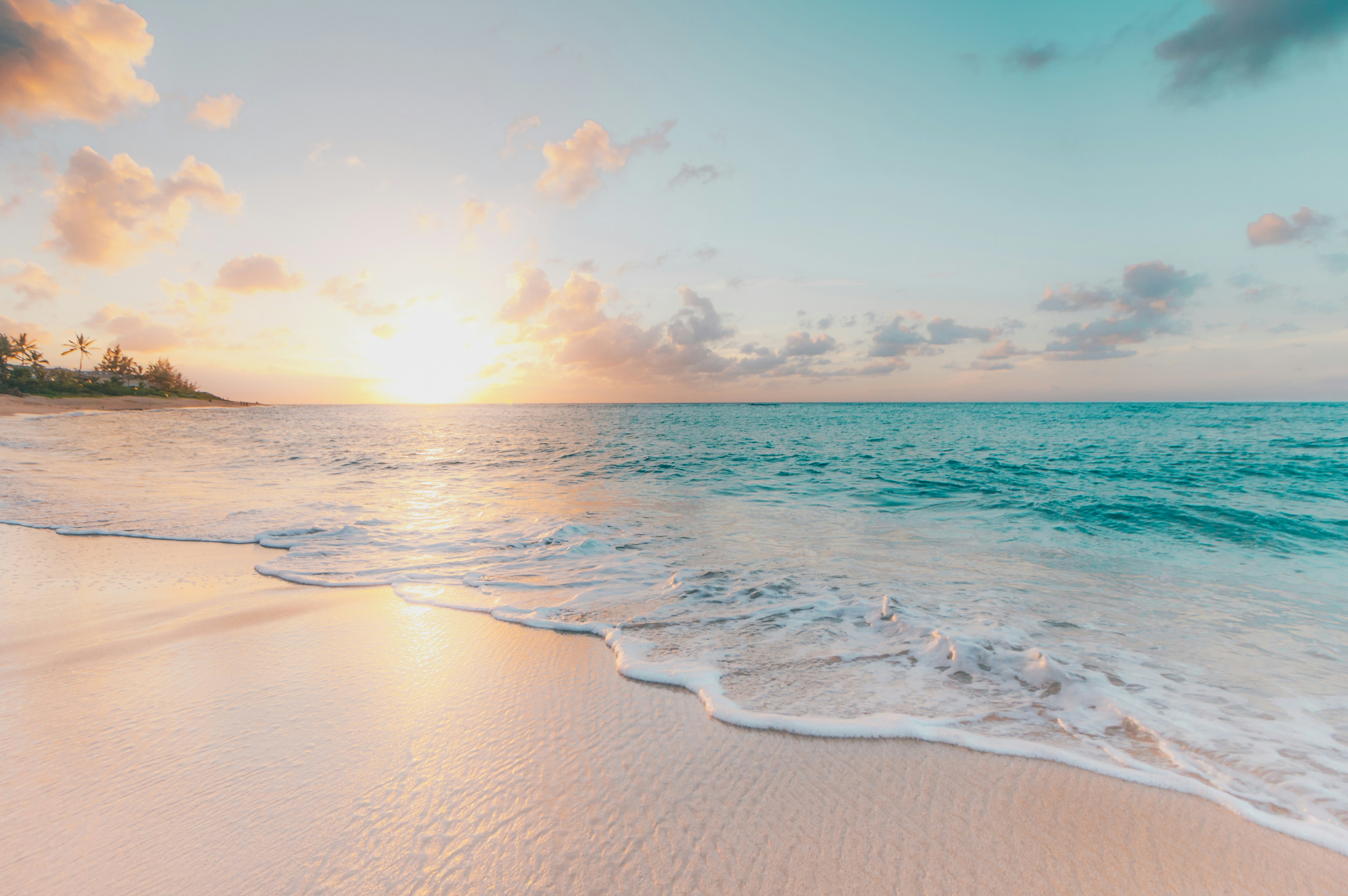
- Turquoise: Imagine the clear Caribbean sea, a vibrant gemstone, or tropical decor. It radiates energy, freshness, and a lively spirit.
Usage in Design and Fashion
The application of teal and turquoise varies based on their visual impact and symbolism:
- Teal: Often used in corporate branding, interior design, and fashion for its sophisticated and calming qualities. It pairs well with neutrals like beige, gray, and white, making it ideal for professional or elegant settings.
- Turquoise: Frequently featured in bohemian, beach-inspired, or vibrant designs. It complements coral, yellow, and other bright colors, creating lively and energetic atmospheres.
In fashion, teal is favored for formal wear, accessories, and understated elegance, whereas turquoise is popular in casual, summer wear, jewelry, and accessories that evoke a fun, energetic vibe.
Color Psychology and Cultural Significance
Colors influence emotions and cultural perceptions:
- Teal: Associated with sophistication, tranquility, and balance. It is often linked to stability and calmness, making it a popular choice for professional environments and spaces meant to promote relaxation.
- Turquoise: Symbolizes healing, protection, and good fortune in many cultures. In ancient Egypt, turquoise was considered a stone of protection, and it remains popular in jewelry for its positive symbolism and vibrant appearance.
Summary of Key Differences
To sum up the main distinctions between teal and turquoise:
- Color Composition: Teal is a darker, muted blue-green, while turquoise is a brighter, lighter blue-green.
- Visual Appearance: Teal appears more subdued and sophisticated, whereas turquoise is more energetic and vibrant.
- Usage: Teal is common in elegant, professional settings; turquoise shines in casual, lively, and beach-inspired designs.
- Cultural Significance: Teal symbolizes calm and stability; turquoise represents healing and protection.
Conclusion: Making the Right Choice
When choosing between teal and turquoise, consider the mood, ambiance, and style you wish to convey. If you seek a refined, tranquil look, teal is your go-to color. On the other hand, if you want to evoke energy, freshness, and a playful vibe, turquoise is the ideal choice. Both colors add a unique touch to any project, and understanding their differences ensures you select the perfect hue for your needs. Whether in fashion, interior design, or branding, recognizing the subtle yet impactful distinctions between teal and turquoise can enhance your creative and aesthetic decisions.
